

Insulation Isn’t Just for Winter: Keeping Your Home Cool This Summer
Ireland is officially in a heatwave, with temperatures climbing into the high twenties and Met Éireann confirming heatwave conditions this July, on the back of a warm spell back in June too. For a country built around keeping the cold and rain out, it is a welcome change. But it also raises a question homeowners rarely think to ask.
If your home is good at keeping heat in during winter, is it also good at keeping heat out in summer?
The answer is yes, and it comes down to the same fabric-first thinking we talk about all year round.
“Insulation, airtightness and glazing do not care which direction heat is trying to travel”
Your Home's Fabric Works Both Ways
Insulation, airtightness and glazing do not care which direction heat is trying to travel. A well-insulated attic, wall or floor slows heat transfer whether that heat is trying to escape in January or trying to get in during a July heatwave. The same principle that keeps a retrofitted home warmer for longer in winter is what keeps it noticeably cooler on a hot afternoon.
Your home’s fabric is made up of a few key elements, and each one affects comfort in both directions
- Attic, wall and floor insulation, which slows heat moving through the building
- Airtightness, how well sealed the home is against draughts
- Windows and doors, including the quality of the glazing and frames
Homes that lose heat quickly in winter are usually the same homes that heat up quickly in summer. Thin, uninsulated walls, draughty doors and older single or double glazed windows let outside temperatures dictate what happens inside. Upgrade that fabric, and the home stops reacting to the weather so much, in either direction.

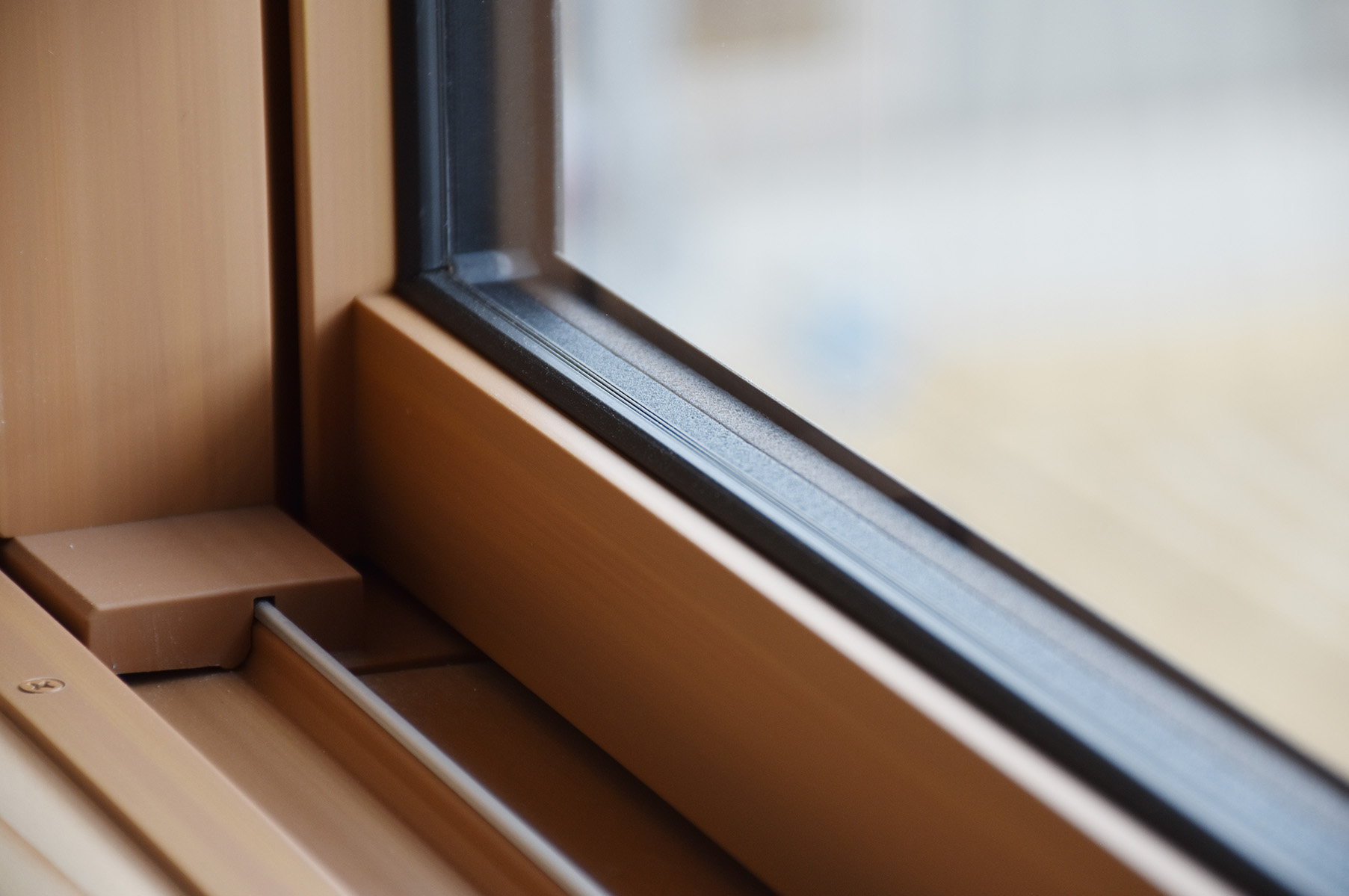
Windows are usually the biggest factor in how hot a room gets on a sunny day. Older single glazed windows, and even a lot of standard double glazing, let solar energy pass almost straight through the glass and build up indoors.
Triple glazing, particularly with a solar control coating, is designed to reduce that heat gain while still letting in plenty of natural light. It works alongside good insulation rather than instead of it. Insulation slows heat moving through walls and roofs. Triple glazing slows both heat loss through the glass in winter and heat gain through the glass in summer.
Good Doors Matter More Than People Think
Doors are often the last thing homeowners think about when it comes to comfort, but a poorly sealed or ageing door lets warm air in during summer in exactly the same way it lets heat escape in winter. A well-fitted, well-insulated door with proper draught sealing keeps your home working as a controlled space, rather than one that simply tracks whatever is happening outside.
The Part That Rarely Gets Discussed: Ventilation and Shading Still Matter
Here is the honest part, and it is worth saying because most retrofit content skips it. Insulation, airtightness and good glazing reduce how much outside heat gets in and how quickly, but a well-sealed home still needs a way to let heat out and let cooler air in, particularly overnight.
That means ventilation and a bit of common sense around shading still play a role. A few simple habits make a real difference:
- Open windows in the cool of the evening to let heat out
- Use blinds or curtains on the sunniest windows during the day
- Check that any mechanical ventilation system in the home is working properly
“The order of upgrades matters more than the upgrades themselves, and the same is true for how you live in an upgraded home.”
Get the fabric right, insulation, airtightness, triple glazing, good doors, and then let a small amount of sensible ventilation and shading finish the job. That combination is what actually keeps a home comfortable, in December and in July.

What This Means for Your Home
A retrofit is often framed purely as a winter project, lower bills, warmer rooms, less draughts. That is true, but it is only half the story. The same upgrades that make a home cheaper and more comfortable to heat also make it more comfortable to live in during weather like we are having right now.
If your home overheats on days like these, or feels cold and draughty come winter, the underlying cause is usually the same: the building fabric is not doing its job.
Take the First Step
While interest in retrofit is growing, knowing where to begin is still a challenge for many homeowners.
A Home Energy Assessment gives you a clear picture of how your home is performing right now, in summer and in winter, and identifies the upgrades that will make the biggest difference to comfort all year round
Get in touch with our team to arrange your Home Energy Assessment and find out what a fabric-first retrofit could mean for your home this summer and every season after it. Call 066 9762746.
From there, the next step is simply choosing the right starting point for you:
- Check what grants you may be eligible for
Use the SEAI grant eligibility checker to understand what supports are available - Compare your upgrade options
Look at the difference between individual grants and a One Stop Shop approach - Arrange a Home Energy Assessment
Get a clear picture of how your home is performing and what improvements will make the biggest difference
Taking this structured approach makes the process more straightforward and helps avoid costly mistakes later.
Ready to improve the comfort and efficiency of your home? Get in touch to discuss the right retrofit path for your property.

Whether it’s a full deep retrofit through the SEAI One Stop Shop or individual upgrades via the Better Energy Homes Scheme, we’ll handle the process from assessment to completion – so you can enjoy the benefits without the stress.

