

Why Retrofit Upgrades Fail Without a Fabric First Approach
Most retrofit upgrades are done with the right intention. Improve efficiency, reduce energy use and create a more comfortable building.
But in many cases, the results fall short.
Higher running costs, underperforming systems and buildings that still feel cold are more common than they should be. The issue is rarely the technology itself. It is the order in which the work is carried out.
“When the installation sequence is wrong, even the right upgrades deliver the wrong result.”

Where Retrofit Projects Go Wrong
There has been a growing shift towards installing new technologies early in the retrofit process.
This often includes:
-
Smart heating controls
While these systems are important, problems arise when they are added to buildings that are still losing heat.
When the building fabric has not been properly addressed, these upgrades are forced to compensate rather than perform efficiently.
This can lead to:
- Systems working harder than necessary
- Higher installation costs due to oversizing
- Increased energy use over time
- Disappointing performance levels
In simple terms, the building is still the problem.
“When technology is added to a poorly performing building, it is compensating for the problem rather than solving it.”

Why Fabric First Makes the Difference
A fabric first approach focuses on improving the building itself before adding new systems.
This means reducing heat loss through:
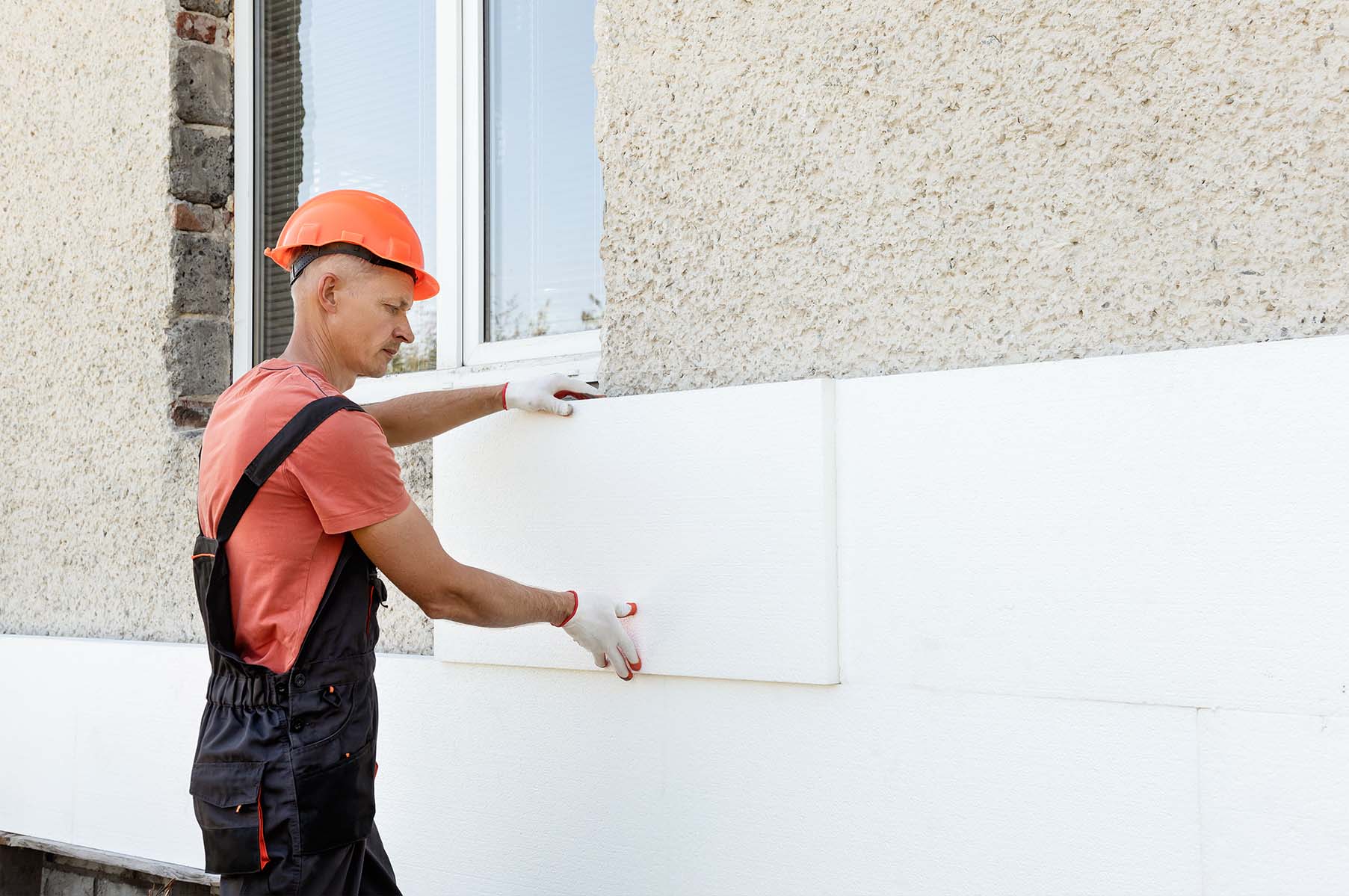
- Wall insulation
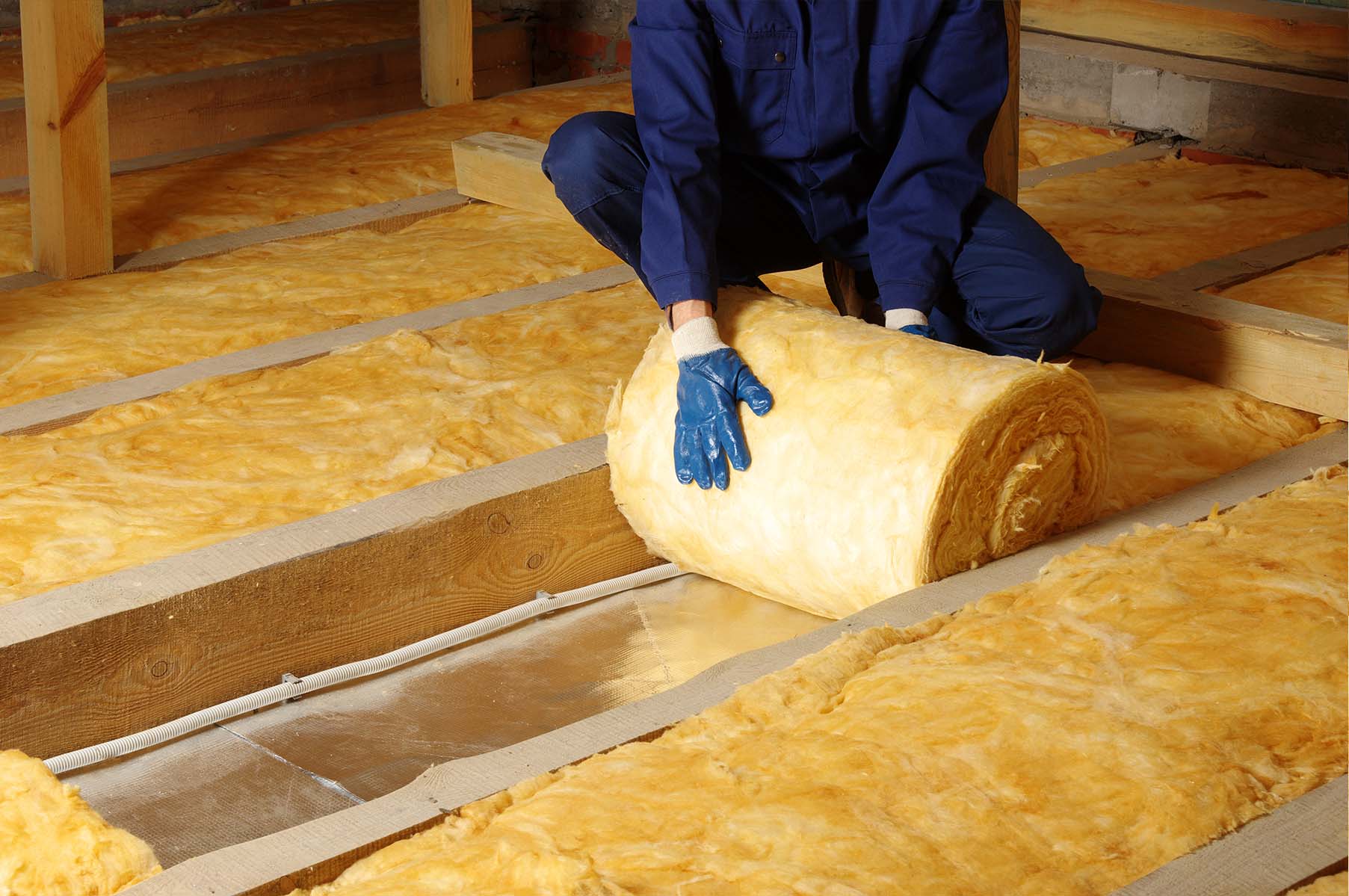
- Attic insulation
- Floor insulation
- Airtightness improvements
By tackling these areas first, you reduce the amount of energy the building needs to stay comfortable.
This changes everything.
Heating systems can be correctly sized, energy use drops and comfort improves across the entire building.
Just as importantly, these upgrades last.
While heating systems may be replaced over time, the opportunity to properly upgrade the fabric is far more limited. Getting it right from the start avoids costly rework later.
The Risk of a Technology-First Approach
Installing advanced systems in a poorly performing building can create a false sense of progress.
On paper, energy ratings may improve. In practice, the building may still struggle to retain heat.
This creates long-term issues such as:
-
Ongoing high energy demand
-
Greater wear on heating systems
-
Difficulty achieving expected savings
-
Reduced return on investment
Rather than solving the problem, this approach can lock in inefficiencies that are expensive to fix later.
A Smarter Way to Retrofit
The most effective retrofit projects follow a clear sequence.
1. Improve insulation and airtightness
2. Reduce overall energy demand
3. Install correctly sized heating systems
4. Introduce renewable energy solutions where appropriate
By addressing the fundamentals first, every upgrade that follows performs better.
This leads to:
- Lower energy use
- Improved comfort
- More reliable system performance
- Stronger long-term value
“Improving the building first is not an extra step. It is the step that makes everything else work.”


Taking a Long-Term View
Retrofit is not just about immediate results. It is about how a building performs over time.
A fabric first approach helps to:
- Avoid unnecessary upgrades in the future
- Reduce long-term running costs
- Protect the value of the property
- Ensure consistent performance
It is a more considered approach, but one that delivers far better outcomes.
Getting Your Retrofit Right
There is no one-size-fits-all solution, but the principle is consistent.
If the building fabric is not addressed first, even the best technology will struggle to deliver.
By starting with the building itself, you create the foundation for a retrofit that works as intended.

Get Started
If you are thinking about improving your home, the first step is simple.
Book a Home Energy Assessment and start planning a more comfortable, energy-efficient future.
A Home Energy Assessment provides a clear starting point and helps identify the most effective improvements for your property.
Our team is always happy to guide homeowners through the options and explain the next steps.
Click here to contact our team to arrange your Home Energy Assessment and take the first step towards a warmer, more efficient home. Or call us on 066 9762746
Whether it’s a full deep retrofit through the SEAI One Stop Shop or individual upgrades via the Better Energy Homes Scheme, we’ll handle the process from assessment to completion – so you can enjoy the benefits without the stress.

